Case Study: Infusion Pump Redesign
Capabilities Used:
- usage + scenario analysis
- work process optimization
- human factors
- mechanism design
- part design and analysis
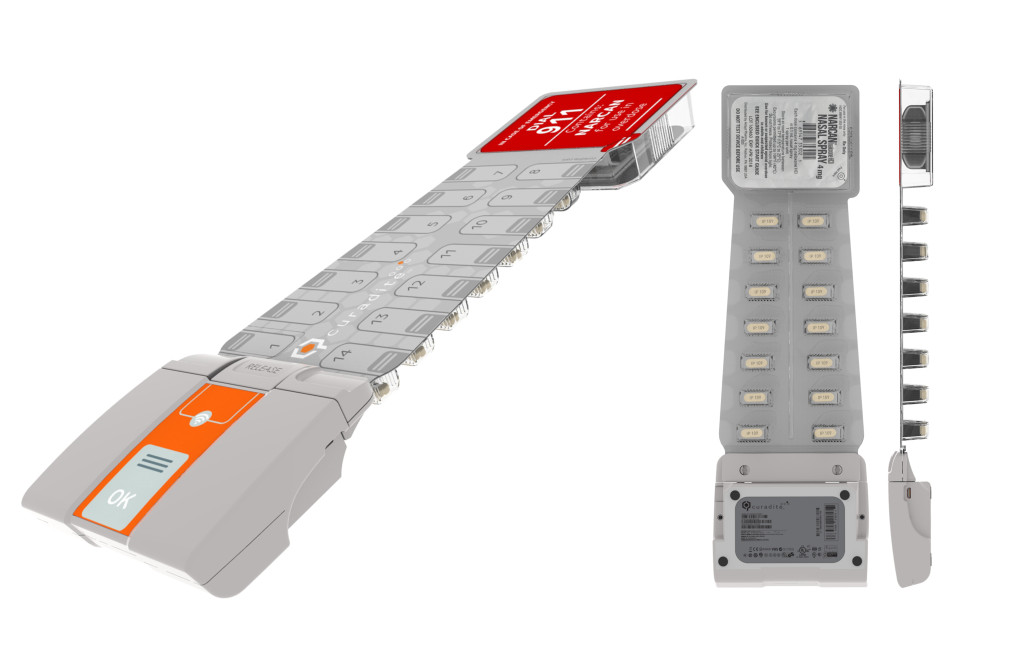
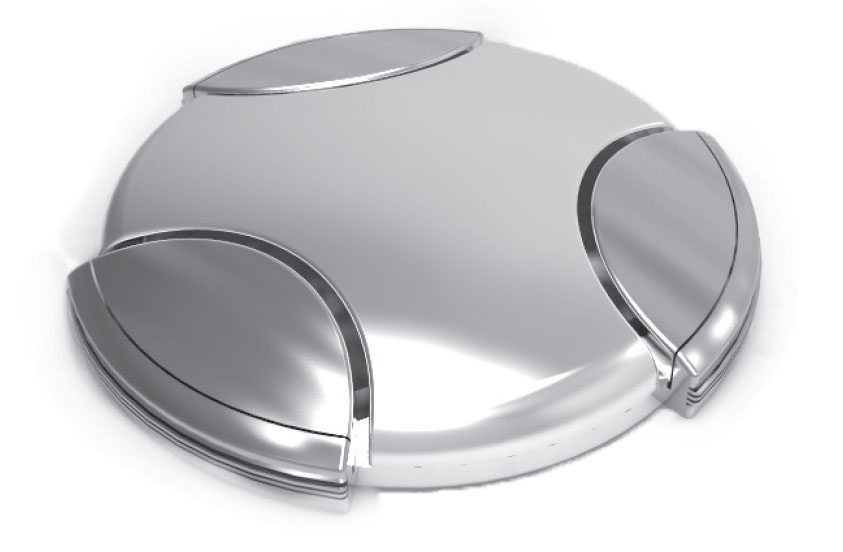
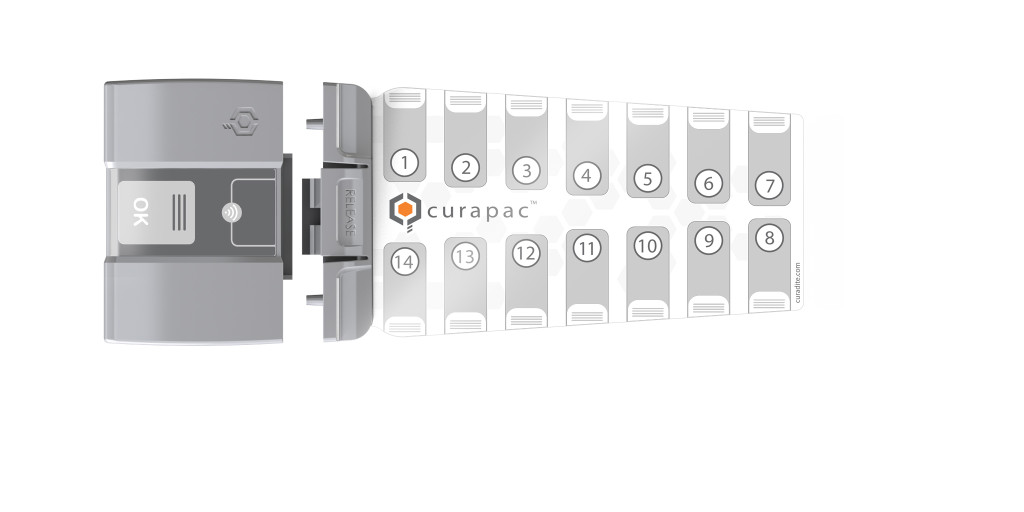
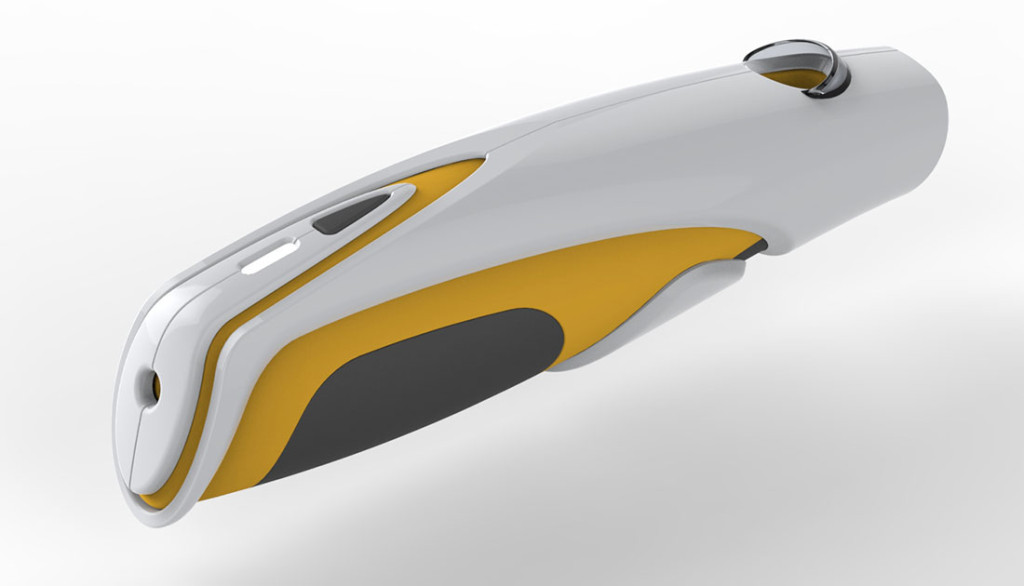
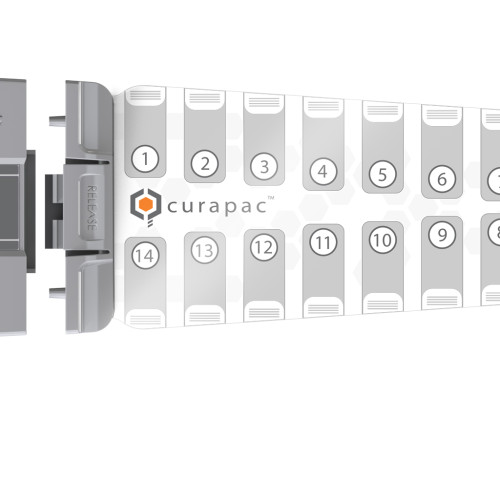
Preventing adverse events and errors is paramount in device design. By incorporating “smart libraries” and clear process readouts into this infusion pump, operation is simplified and errors reduced or eliminated. User research and work process optimization brought other insights such as incorporating connectivity for electronic notification upon process completion.
Case Study: Integrated Smart Technologies in Passenger Vehicles
Capabilities Used:
- primary research
- video ethnography
- industrial design
- experience design
- environment analysis + design
- human factors
- three dimensional modeling
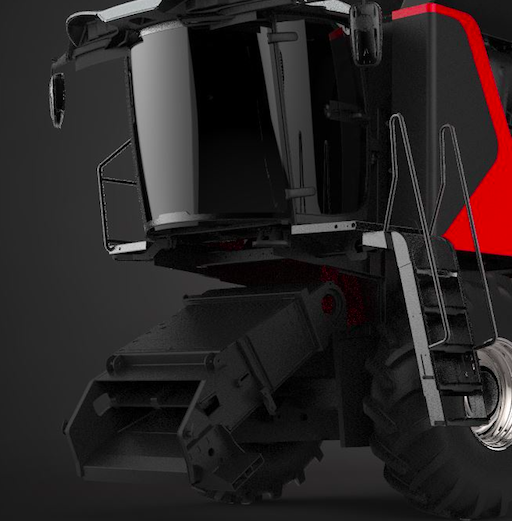
Displaying relevant real-time information in an automotive environment without impairing the driver’s ability to concentrate is increasingly challenging. Modern Edge conducted ethnographic research on the use of integrated digital devices in conjunction with personal digital devices — cell phones, music players, navigation accessories, etc. This research was used to develop design language, and protocols for aggregating data from multiple processing devices into a single stream of coherent information.
Case Study: HTI, Eastman, Modern Edge Collaboration: Hydration System
Capabilities Used:
- primary research
- video ethnography
- industrial design
- brand strategy
- experience design
- collateral design
- website process flow
- environment analysis + design
- human factors
- packaging design
- three dimensional modeling
- project management
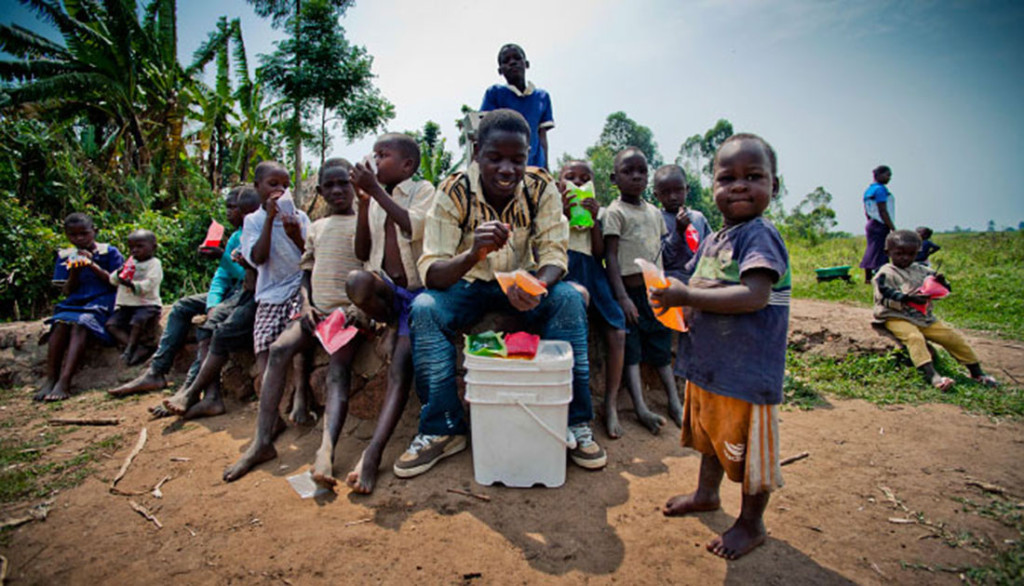
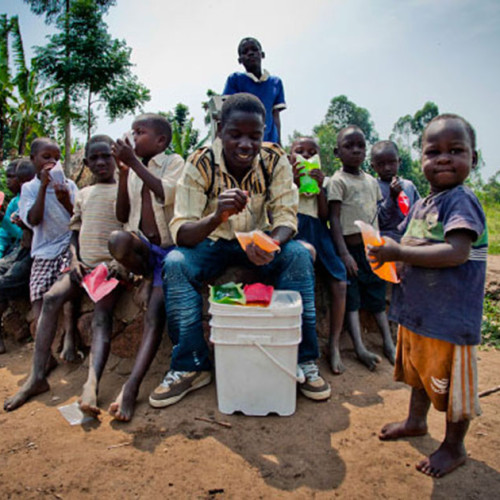
Modern Edge collaborated with HTI and Eastman to improve the usability, design, packaging and user comprehension of the HTI HydroPack, a phase one disaster relief hydration system. HTI conducted an in-depth pilot including a 90-household research and usage study in the Budalangi region of Kenya, research in northern Kenya and involved the Red Cross, Kenyan Water for Health Organization, Unicef and the Kenyan Government.
To support this program, Modern Edge designed and developed the preliminary pilot packaging for HTI and also planned and executed an in-depth design research program to be conducted during the Budalangi pilot and a more abbreviated research leg for the Turkana region of Northern Kenya. This consisted in depth interviews and observation of 11 of the 90 general survey households and additional 10 in-depth interview sessions in the Turkana outback.
Case Study: Jelly Bean® Bath Hook
Capabilities Used:
- usage + scenario analysis
- experience definition
- trend research
- human factors
- mechanism design
- part design and analysis
- visualization
Building on an existing line of bath accessories, the client wanted to create a new line of products that would allow people to organize their baths without hauling out the power tools. More than that, they were ready to develop the brand in a bold new direction. Modern Edge was asked to develop this new bath line, starting with a bath hook that would serve as the vanguard for the rest of the line.
The Jelly Bean® Bath Hook is a whimsical, colorful new suction cup hook for the bath, kitchen, laundry room, or locker. Its innovative Duo-Grip suction cup allows you to attach the hook securely to any non-porous surface, and its ergonomic release tab lets you release and reposition it with ease.

Case Study: Sporting Goods Retail Space Design
Capabilities Used:
- experience definition
- trend research
- usage models
- conceptualization
- design
- visualization
Branded environments deliver a targeted experience to your most important customers, and ethnographic research can uncover ways to make that connection meaningful and lasting. This effort focused on creating a modular approach to customization and production in order to deliver the experience with maximum efficiency.
Case Study: “Nemo” Precision Stent Placement Device
Capabilities Used:
- usage + scenario analysis
- work process optimization
- human factors
- mechanism design
- part design and analysis
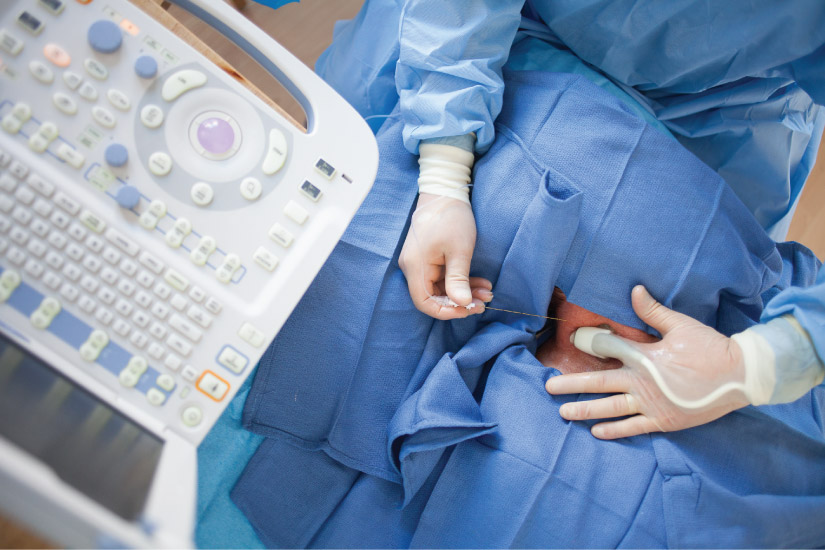
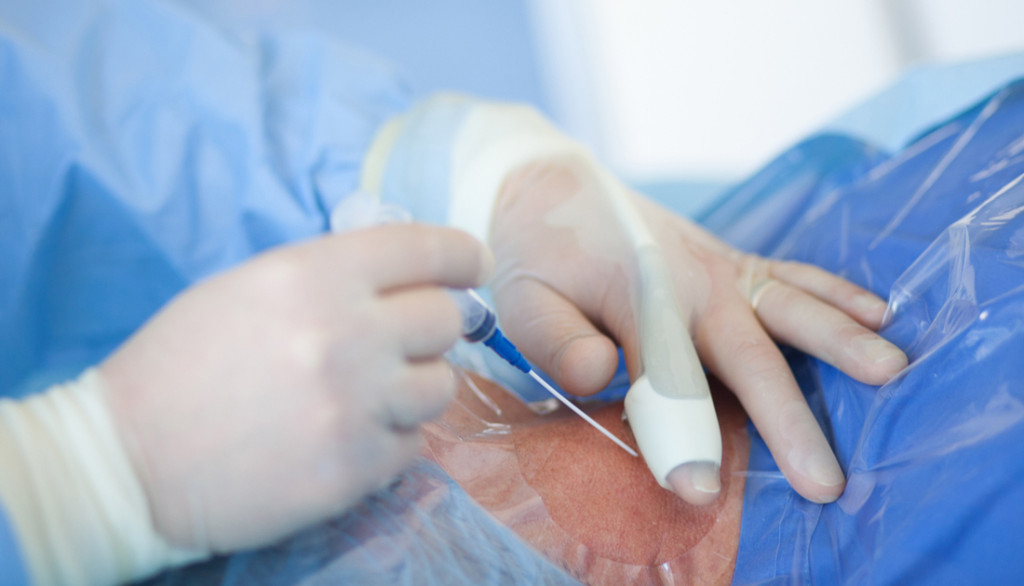
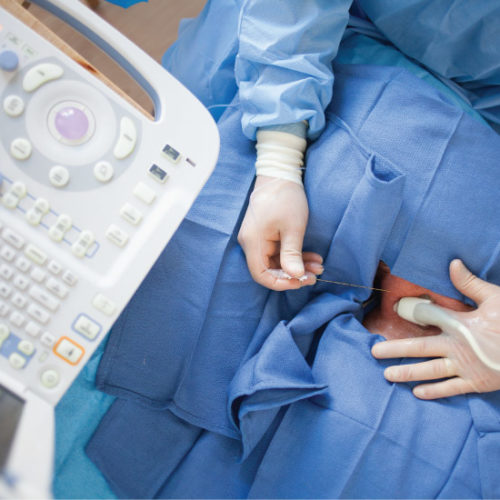
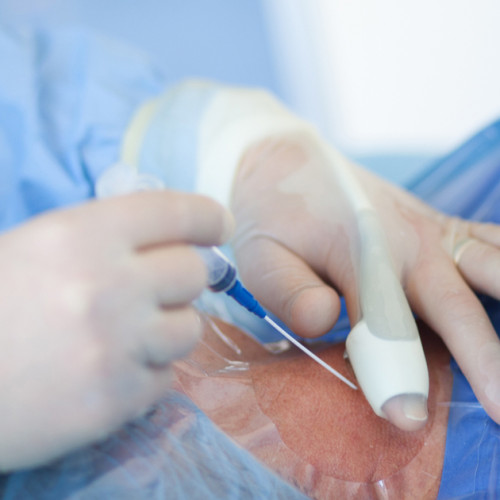
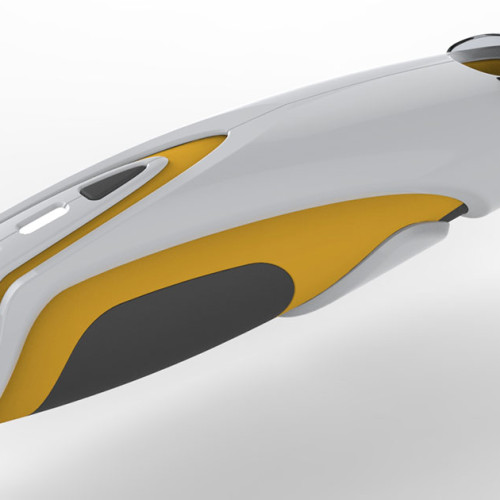
Finesse and feel are critical to the surgeon during a stent placement procedure. Surgeons must navigate the process through both macro and micro adjustments while confirming the stent’s location on the monitor. This requires a thorough analysis of work flow and process, while including critical human factors such as grip architecture and articulation issues. Industry pressure for low cost part development in these programs requires innovative approaches to engineering optimization.
Case Study: Personal Health Data Trending Device
Capabilities Used:
- experience definition
- trend research
- usage models
- conceptualization
- design
- visualization
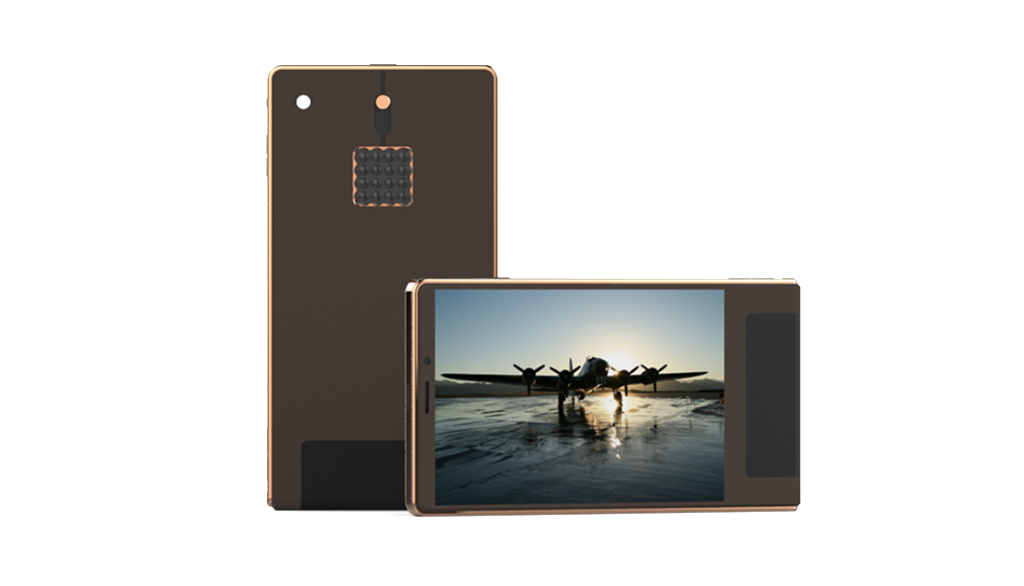
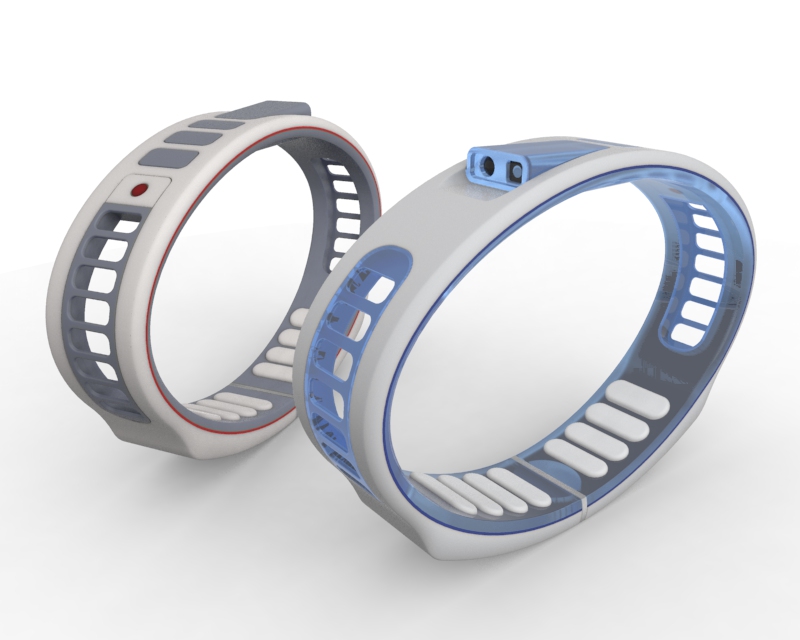
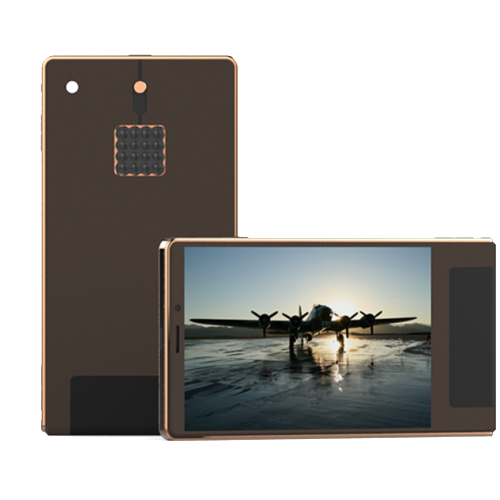
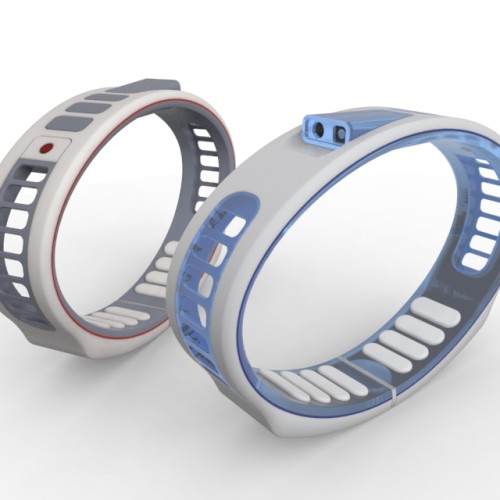
What if you could get a call from your health care provider or trainer before you had a serious issue? Better yet, what if you had the information to take corrective measures on your own? This device monitors diet, calorie intake, activity and sleep. It communicates with your phone wirelessly to display data and even dietary advice depending on how you set the preferences.
Case Study: “Chopperz Experience”
Capabilities Used:
- consumer primary research
- brand strategy
- experience design
- collateral design
- website process flow
- environment analysis + design
- human factors
- wayfinding
- fixture design + development
- three dimensional modeling
- project management
Salons and barber shops in the grooming industry represent one of the most fragmented market sectors in America with over 80% made up of single location businesses. Recognizing that this fragmentation was an opportunity for a franchise business model, a former Intel financial analyst set out to create a men’s oriented brand that would be scalable, definable, franchisable and unique.
Modern Edge worked with Chopperz early on to identify the strategic target audience and employed ethnographic research to define the experience that would meaningfully connect with the community and inform the creation of all consumer touch-points.
The brand identity, a variety of marketing collaterals, and environmental details were created and produced, in addition to direction for a revised website. The program also worked to define the ideal employee experience resulting in half the turnover normally seen in the industry.
Case Study: “Luna” Electronic Aromatherapy Device
Capabilities Used:
- experience definition
- trend research
- consumer ethnography
- conceptualization
- design
- development
- three dimensional modeling
Gentle transitions and carefully chosen color palettes tell stories in light and scent. Specially coded sequences embedded within the electronics transition the light in swaying non-linear cycles evoking the movement of water or a breeze delicately moving a field of wild flowers.
Case Study: High End Yacht Interior
Capabilities Used:
- trend research
- conceptualization
- design
- visualization
- three dimensional modeling
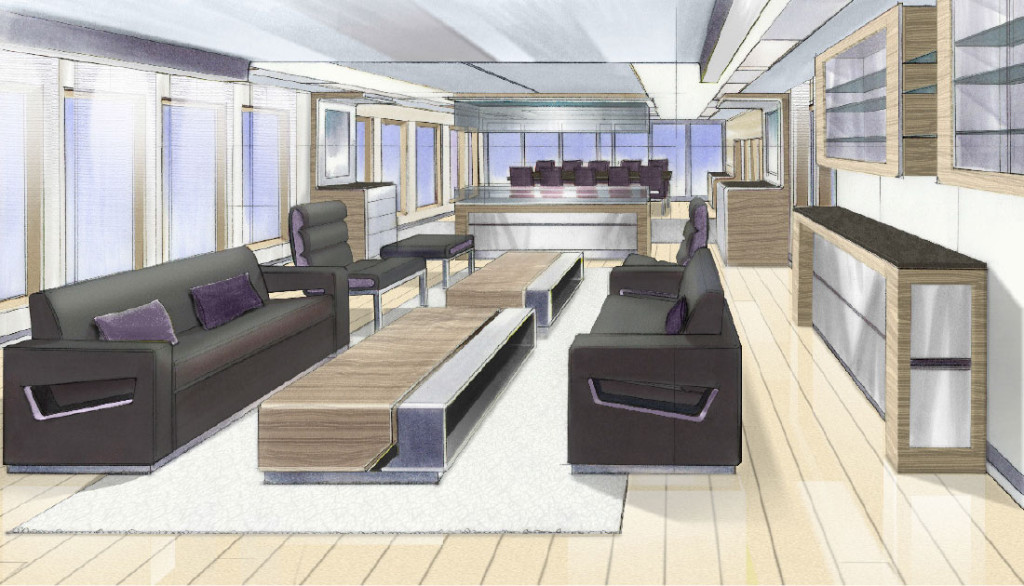
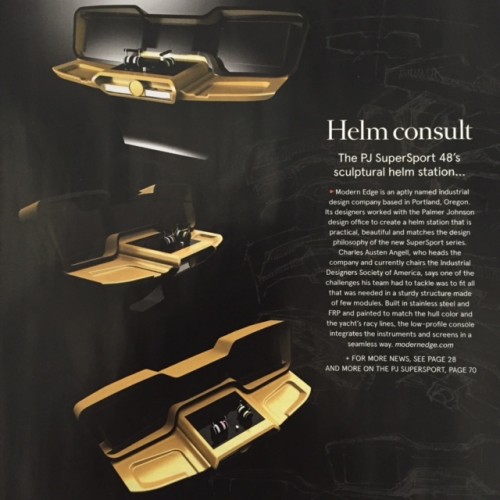
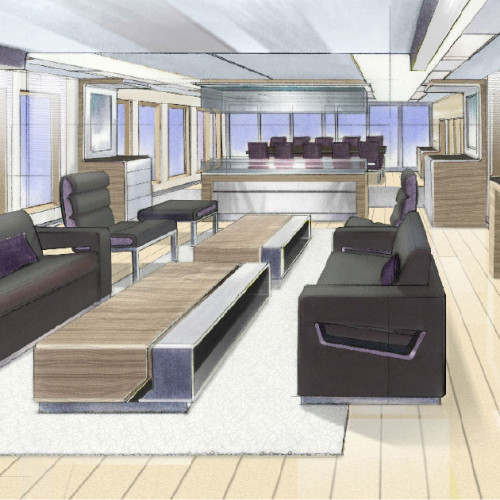
Creating dynamic personal space is about manipulating light and form in ways that are both exciting and yet familiar. The innovative utilization of materials in this concept suggests far away locations and new experiences, while simple comfortable forms invite the user to relax. This series of concepts for a high-end yacht company explores a range of style innovations including the use of modular panels to reduce the cost of execution.
Case Study: Alzheimer’s Care Service Brandwork
Capabilities Used:
- experience definition
- trend research
- consumer messaging development
- consumer profiles
- usage models
Developing authentic brand messaging in the healthcare industry is challenging. All health organizations aspire to care for the patient. The challenge is to reach deep into the soul of the organization to find what is unique about their position. This program also included naming strategies for specific products.
Case Study: “Aviator” High End Camera Social Media Device
Capabilities Used:
- usage + scenario analysis
- concept design
- work process optimization
- human factors
- mechanism design
- part design and analysis
- life cycle analysis
- design for disassembly
This unique social media device offers no compromise on picture quality and features in-device editing for avatars, profiles, and instant uploads using WIFI connectivity.
Case Study: “EMR” Experience Design for Medical Workers
Capabilities Used:
- trend analysis
- volunteer profiles
- call to action + outreach
- training guidelines
- graphics + communication
- opportunity mapping
- branded environment
Critical care environments create additional challenges for error reduction and care improvement. Novice and volunteer assistance brings an additional dimension of complexity. By analyzing workflow and critical care needs we optimized access, training and role definition for new worker, volunteer and other care givers.
Case Study: Clinical Care Treatment Center
Capabilities Used:
- experience definition
- trend research
- consumer ethnography
- consumer profiles
- usage models
Redesigning the lobby of a cancer hospital called for a special sensitivity to patient and family needs. By analyzing all the people who would inhabit the space we were able to provide profiles and user scenarios to collaboratively guide the development of the space.
Case Study: NIKE Experience Lab Design
Capabilities Used:
- experience definition
- trend research
- usage models
- conceptualization
- design
- visualization
Providing concepts to one of the most forward thinking experience and product companies in the country requires keen insight into future trends and design possibilities. Nike needed concepts for an innovation lab to share the experience of innovation with their consumers. Our concepts focused on collaboration and connection. We reached deep into Nike’s history and mixed it in with future materials and radical form language to create a continuum between yesterday and tomorrow.
Case Study: Chopperz Non-Salon Web Presence
Capabilities Used:
- consumer primary research
- brand strategy
- experience design
- website process flow
- social media strategy
- graphic design
- HTML, CSS, JavaScript development
- content management system
Leveraging our experience with a previous branding and user research project for Chopperz Non-Salon, Modern Edge created a website to give Chopperz more control over content and simplify customer interaction.
Based on a consistent set of usability principles throughout the site we designed an extremely simple interface with obvious layers of depth, prioritizing the information most likely to be needed to give the end user full control over how deep into the site they want to explore. Graphic layout works with content to aid navigation, with the overall design eliminating the need for a site map or other aids.